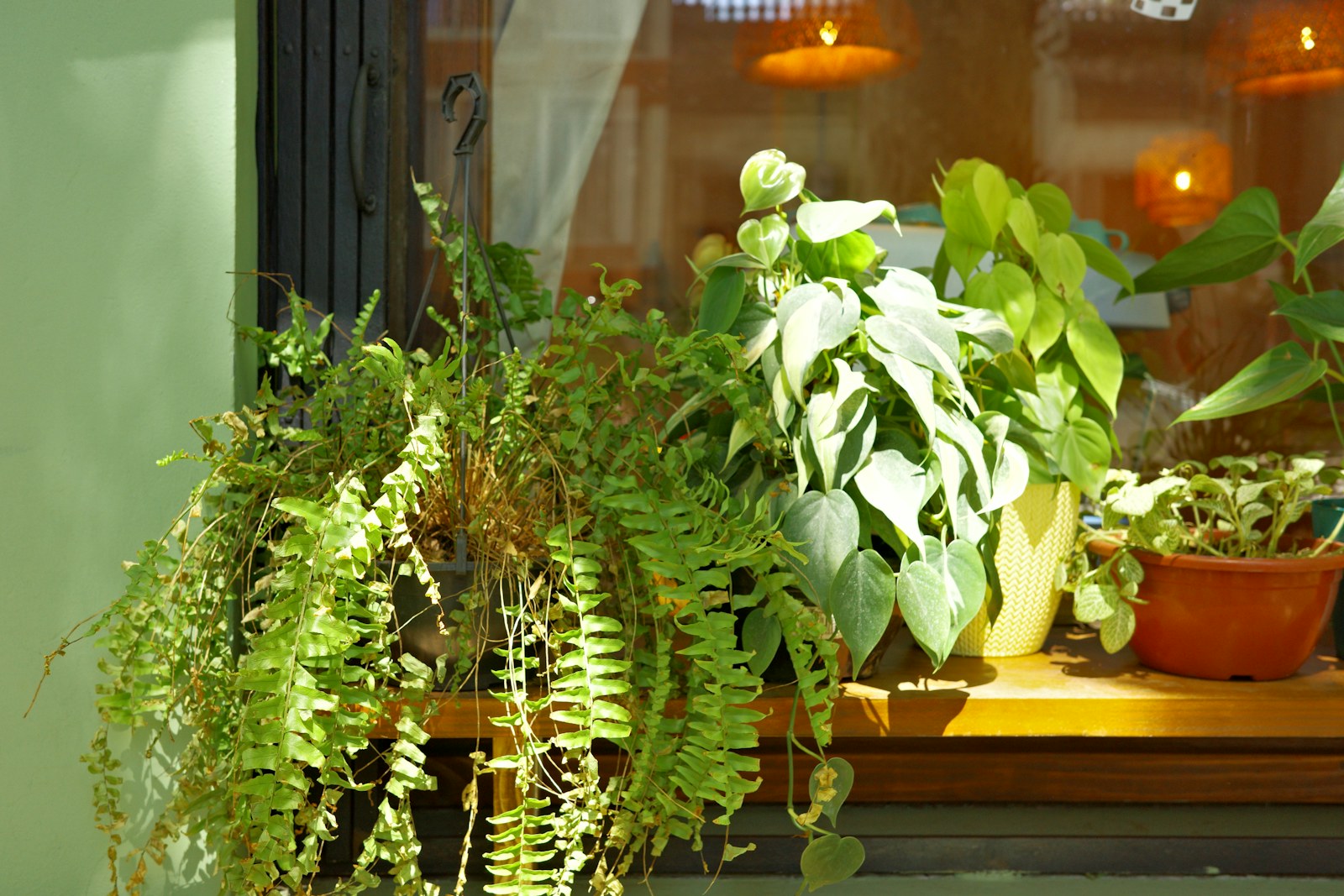
Photo: Khanh Do / Unsplash.
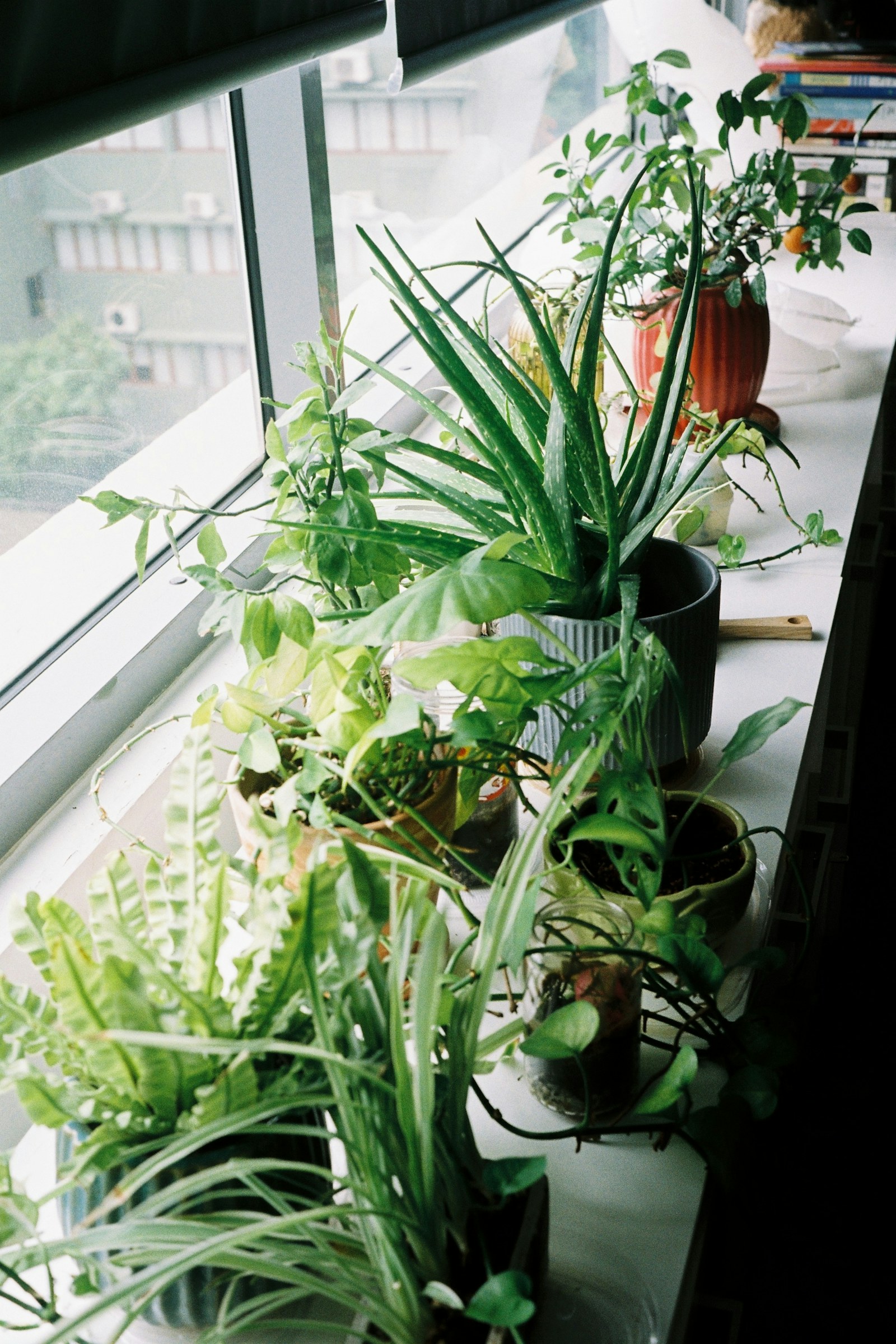
A north-facing apartment window can be a useful place for houseplants, but the compass direction is only the beginning. A broad window overlooking an open courtyard is a different growing space from a small window under a deep balcony. Before collecting plants advertised for low light, take a closer look at the spot you actually have.
This guide helps you assess a north-facing window, make a small plant setup, and keep a useful record of what happens. It is written for homes in the United States, where north-facing windows commonly receive less direct sun than south-facing ones. Your building, latitude, season, and nearby obstructions still matter.
Start with the window, not a plant shopping list
Confirm which way the window faces using a reliable map or compass. Then look outside. Is there a wall close to the glass? Does an upstairs balcony project over it? Are trees leafy in summer but bare in winter? Write those details down. They explain more about the growing space than the room’s appearance in a bright photograph.
Look at the window covering too. A blind that stays closed for privacy changes the light available to a plant. Plan around the way the apartment is normally used. A plant arrangement that requires you to give up privacy or move a curtain all day will be difficult to maintain.
University of Maryland Extension identifies curtains, screens, surrounding buildings, trees, weather, and distance from the window as factors affecting indoor light. That is why a north-facing label cannot promise a particular plant will succeed on every shelf in the room.
Make a simple three-day light record
Choose the exact place where the leaves would sit. Check it in the morning, around midday, and later in the afternoon on several days. Record whether direct sunlight reaches it, whether the sky is overcast, and whether a curtain or blind is open. Include an ordinary workday, not only a weekend when you happen to open every window covering.
Take photographs from the same position if they help you remember the arrangement. Treat them as a record of placement rather than a measurement of plant light. Automatic camera exposure can make a dim corner look bright. A photograph is good at showing that a bookshelf blocks a window; it is less useful for proving that the remaining light is sufficient.
Your notes can be brief: north window, open courtyard, blind raised halfway, pot beside the glass, no direct sun observed. Add the date. Those few details give you something concrete to discuss with a knowledgeable local nursery or Extension service.
Mark the usable growing space
Before choosing a plant, measure the stable surface available near the window. Include room for the pot, saucer, and mature foliage. Check that the leaves will not be pressed against the glass, caught by a blind, or brushed by everyone opening the window. Keep access to locks, ventilation, and any required exit clear.
A narrow sill is not automatically a safe plant shelf. If a pot could fall, find a stable surface instead. Avoid placing a heavy pot on an improvised bracket or leaning an unsecured shelf against the wall. Follow the furniture manufacturer’s instructions, including any anchoring requirement, and get permission for mounting in a rental.
Think about watering before settling on the final spot. Can you lift the pot without knocking another plant over? Can you carry it to a suitable place to drain? Will a saucer protect the surface? A simple arrangement that you can inspect and maintain is more useful than a crowded row of pots that hides water spills.
Choose one plant to learn from
For a first experiment, choose one plant with a confirmed botanical name and care information. Maryland Extension lists ZZ plant, snake plant, and cast iron plant among examples suited to low-light conditions. This is a starting point for research, not a guarantee for a dark room or a reason to ignore the particular plant’s other needs.
Check the label and ask the seller about the conditions in which the plant was grown. Also consider the size of the mature plant, your ability to inspect it, and whether it is suitable around children or animals. Verify plant safety for your household before buying; the phrase easy-care does not mean safe to chew.
Choose a healthy-looking individual and inspect it before bringing it home. If you cannot identify the plant or find reliable care instructions, leave it at the store while you research. There is no advantage in beginning with an uncertain name and trying to diagnose every future change from an image search.
Understand what low light can mean
Low light is not the absence of light. University of Minnesota Extension explains that plants still need light to make the energy used for growth. A plant’s ability to tolerate lower light also does not mean it will grow as densely or flower as readily there as it would in more suitable conditions.
Keep your expectations modest at first. The aim is to establish a healthy plant in a specific place, not to reproduce a greenhouse display. Do not assume that a plant is thriving simply because its leaves look unchanged during the first week after purchase.
Be cautious about moving a plant farther into the room for decorative balance. If you want greenery on a table away from the window, assess that table separately. It is a different growing location. For arranging furniture around a usable window area, our small living room planning guide offers a practical way to protect both movement and the space you need.
Set up a record you will actually use
Start a note on your phone or a single sheet of paper. Record the plant name, purchase date, location, pot type, and the care guidance you are following. Take a clear photograph of the whole plant and another of the pot. These are your own reference images, not a daily assignment.
When you inspect the plant, record observations before deciding on an action. Write soil still damp or one older leaf yellow rather than plant unhappy. Specific descriptions make it easier to spot a pattern. They also help you ask a better question if you need expert advice later.
Keep changes separate. Moving the plant, repotting it, changing the watering routine, and adding fertilizer on the same day makes the result hard to interpret. Unless an urgent problem requires action, choose the adjustment supported by the evidence and record when you made it.
Check moisture instead of following a calendar alone
Minnesota Extension notes that plants in less light generally grow more slowly and use less water. That makes a fixed weekly watering rule a poor substitute for checking the growing medium and following the needs of the particular plant. Record your checks even when the correct action is to leave the watering can alone.
Use a pot setup you can inspect. Know whether the growing pot has drainage and whether an outer decorative container is holding water. Follow the plant’s care guidance for watering and draining, and protect the furniture below. Do not assume an unseen reservoir is empty because the top of the pot looks tidy.
If leaves change color, examine the whole situation before adding more water. Leaf symptoms can have several causes. Review the recent care record, the condition of the growing medium, and any change in placement. When the cause remains uncertain, seek a diagnosis rather than stacking several treatments on top of one another.
Decide whether supplemental light fits your home
If natural light does not match the plant you want to grow, you can change the plant choice, change the location, or investigate a grow light. There is no obligation to add equipment. A single suitable plant may fit the room and your routine better than a larger display that depends on lighting you do not want to use.
Before purchasing a fixture, plan its placement, mounting method, power supply, and operating schedule. Read the manufacturer’s guidance for the plants and growing area it is designed to support. Avoid choosing a lamp solely because its housing looks good beside your furniture.
Consider the room at night as well. A bright fixture beside a television or bed may be inconvenient. Keep electrical equipment away from watering spills, use it as directed, and route cords so they do not cross walking paths. If safe placement is not possible, choose a different growing arrangement.
Revisit the setup as the season changes
Put a reminder in your calendar to reassess the window rather than automatically repeating the same care all year. Note changes in outside foliage, how you use the blinds, and whether heating or cooling equipment affects the spot. Keep the plant away from conditions that conflict with its care requirements.
Compare current photographs with the original record. Look at the overall pattern rather than expecting a dramatic change every few days. If you see a persistent decline, collect the relevant details: plant name, recent care, window direction, location, and clear photographs. Your local Extension service can provide a more useful answer with that information than with the description low-light plant alone.
A small first-month plan
During the first week, confirm the name and care requirements, settle on a stable location, and begin your observations. During the next few weeks, inspect the plant and growing medium at a realistic interval for that species. Record what you do and avoid buying several more plants before you understand the first one.
At the end of the month, review the practical side as well as the foliage. Is the pot easy to reach? Are spills contained? Can you still operate the window? Does the arrangement fit your ordinary routine? Those answers determine whether the setup is worth expanding.
A north-facing apartment window does not need to hold a jungle to be successful. One well-placed plant, care based on its actual needs, and a clear record of the conditions make a useful foundation. Add another plant when the space and your experience support it.
References: University of Maryland Extension: Lighting for Indoor Plants; University of Minnesota Extension: Lighting for indoor plants and starting seeds. The observation worksheet and apartment planning suggestions are editorial guidance.