Photo: Sir. Simo / Unsplash.
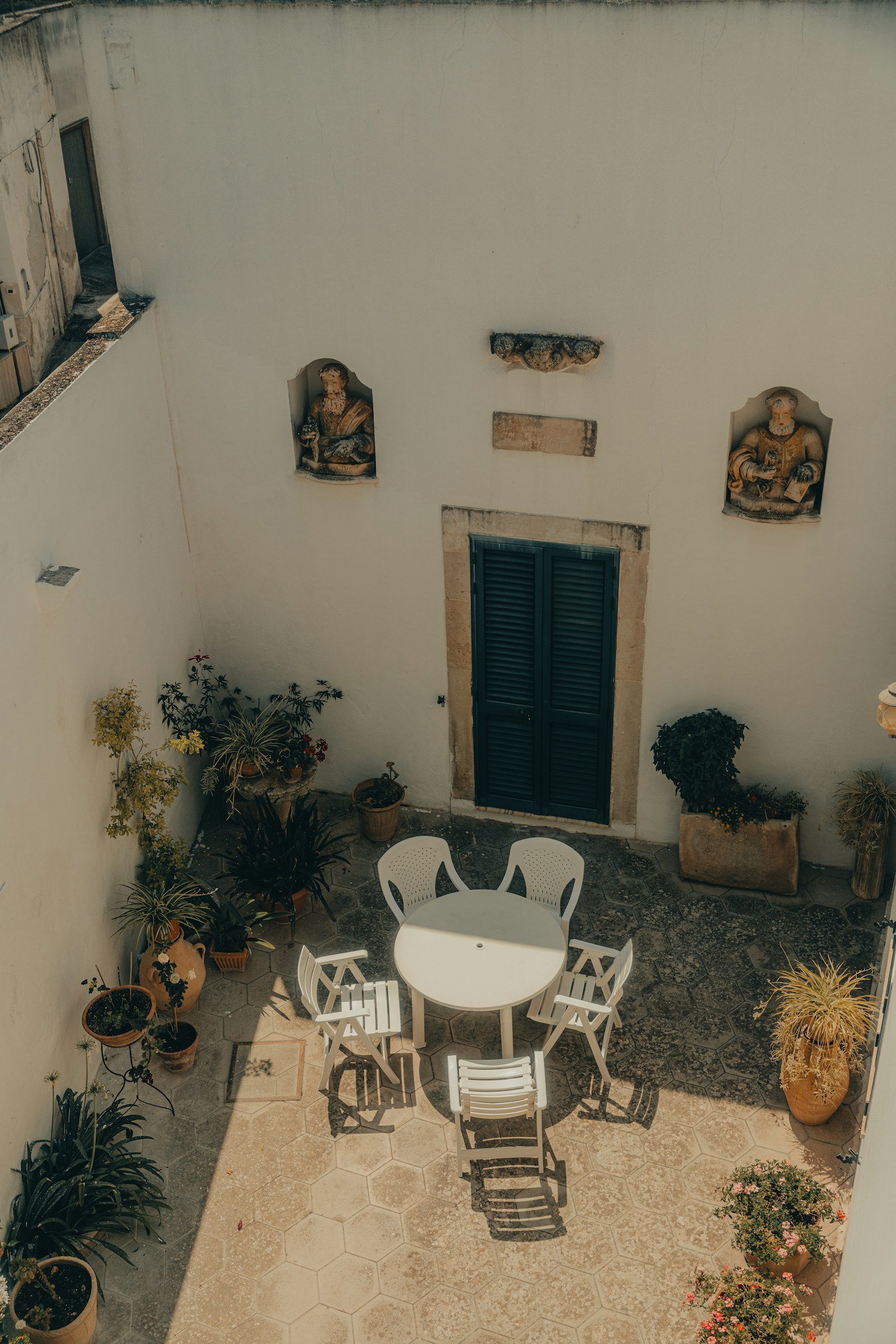
A small rental patio can become a comfortable place to sit without attaching anything to the building. The most useful starting point is not a shopping list. It is a clear idea of what you want to do outside and what the property allows.
Maybe you want a chair for morning coffee, a place to read after work, or a few containers beside a small table. Choose one main use first. A compact patio becomes crowded quickly when it is expected to serve as a dining room, garden, storage area, and lounge at the same time.
This guide focuses on furnishing an existing patio with movable items. An elevated balcony has additional structural considerations; do not treat a decorating idea as permission to add weight, attach equipment, or alter a railing. Ask the property manager when you are unsure.
Read the rules before choosing a layout
Check the lease and property guidance for outdoor furniture, plants, floor coverings, storage, lighting, and anything visible from outside. No drilling is only one possible restriction. An item can be removable and still be prohibited or unsuitable for the property.
Make a short list of questions that affect your plan. Are outdoor rugs permitted? Can pots sit directly on the surface? Are there restrictions on railings, screens, or lighting? What needs to be brought inside during severe weather? Get answers before spending money on a setup you may have to remove.
Keep the decorating plan separate from structural changes. Do not drill into siding, waterproofing, doors, or railings, and do not assume that adhesive mounting avoids all risk of damage. The simplest plan uses stable furniture and containers that are designed to stand on their own.
Measure the patio while the door is open
Record the usable width and depth, then mark the door swing, drains, steps, outlets, and access points. Notice whether the door opens outward and whether it must remain fully usable with the furniture in place. Include space for someone to stand, turn, and carry items through.
Sketch the fixed features before drawing a table. A piece of furniture may fit within the patio outline but still block the route to the door or prevent a drain from being inspected. Keep required access and exits clear throughout the plan.
Measure the route from the building entrance to the patio too. Check furniture dimensions in its delivery configuration. Folding furniture can be convenient, but it still needs somewhere to be stored and enough room to operate safely.
Choose one activity to design around
Write a sentence describing the patio’s main job. For example: a comfortable seat and a surface for a drink after work. That sentence helps you compare options. A large dining set might be attractive, but it does not serve that job better than a comfortable chair and a compact table.
If two people will regularly use the space, plan for both from the beginning. If guests are occasional, decide whether additional seating can be brought out when needed. Do not sacrifice everyday access for seats that remain empty most of the year.
Keep secondary activities modest. A few plants can share a reading patio without turning it into a large garden. A storage box may be useful, but only if it does not displace the seat you actually wanted to use.
Test furniture outlines before buying
Use measurements to mark the proposed furniture footprint with a removable method suitable for the patio surface. Include the area occupied by chair legs and the space needed to sit down, stand up, or pull a chair away from a table. Avoid using tape on a finish unless you know it can be removed without damage.
Walk through the arrangement carrying something ordinary, such as a tray with an empty cup. Check whether you can open the door without shifting furniture. If you plan to use a recliner, include its extended position rather than only the upright footprint.
Keep a note of the maximum dimensions that worked. When shopping, compare full product dimensions rather than seat width alone. A chair with generous arms can occupy much more space than its usable seat suggests.
Buy fewer pieces with a clear purpose
A practical starting set is seating for the regular users and one stable surface for the activity you chose. Add another piece only after noticing a specific need. This keeps the patio flexible and makes it easier to bring items inside when necessary.
Read the intended-use and care instructions for furniture. Indoor furniture is not automatically appropriate outdoors, even under a roof. Consider how you will clean the material, handle cushions, and store the piece during weather that exceeds its intended use.
For folding items, check how the mechanism locks and how it should be carried and stored. Avoid improvised repairs or balancing a table on an uneven object. If a piece does not stand securely on the actual surface, choose a different one.
Build a container garden you can reach
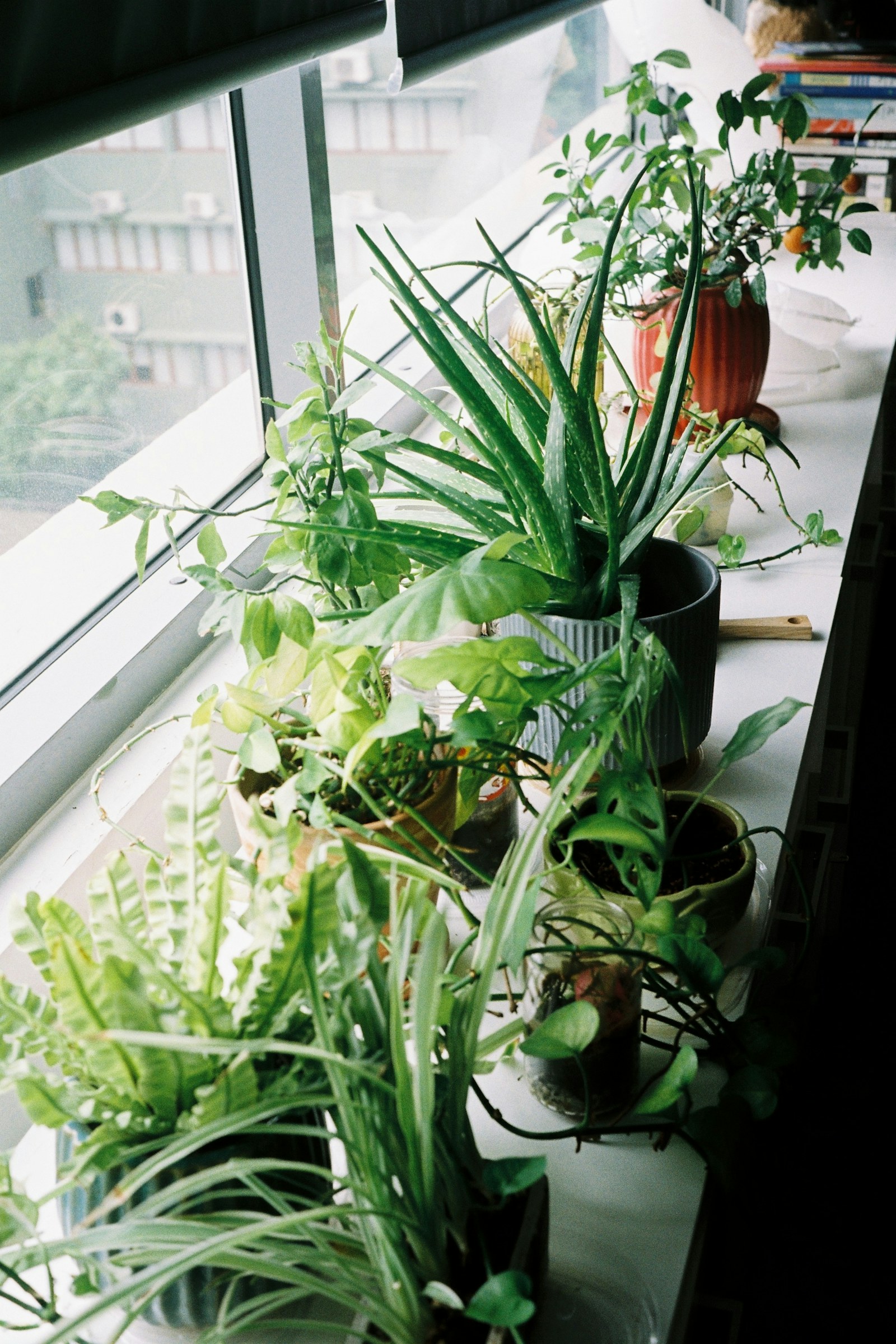
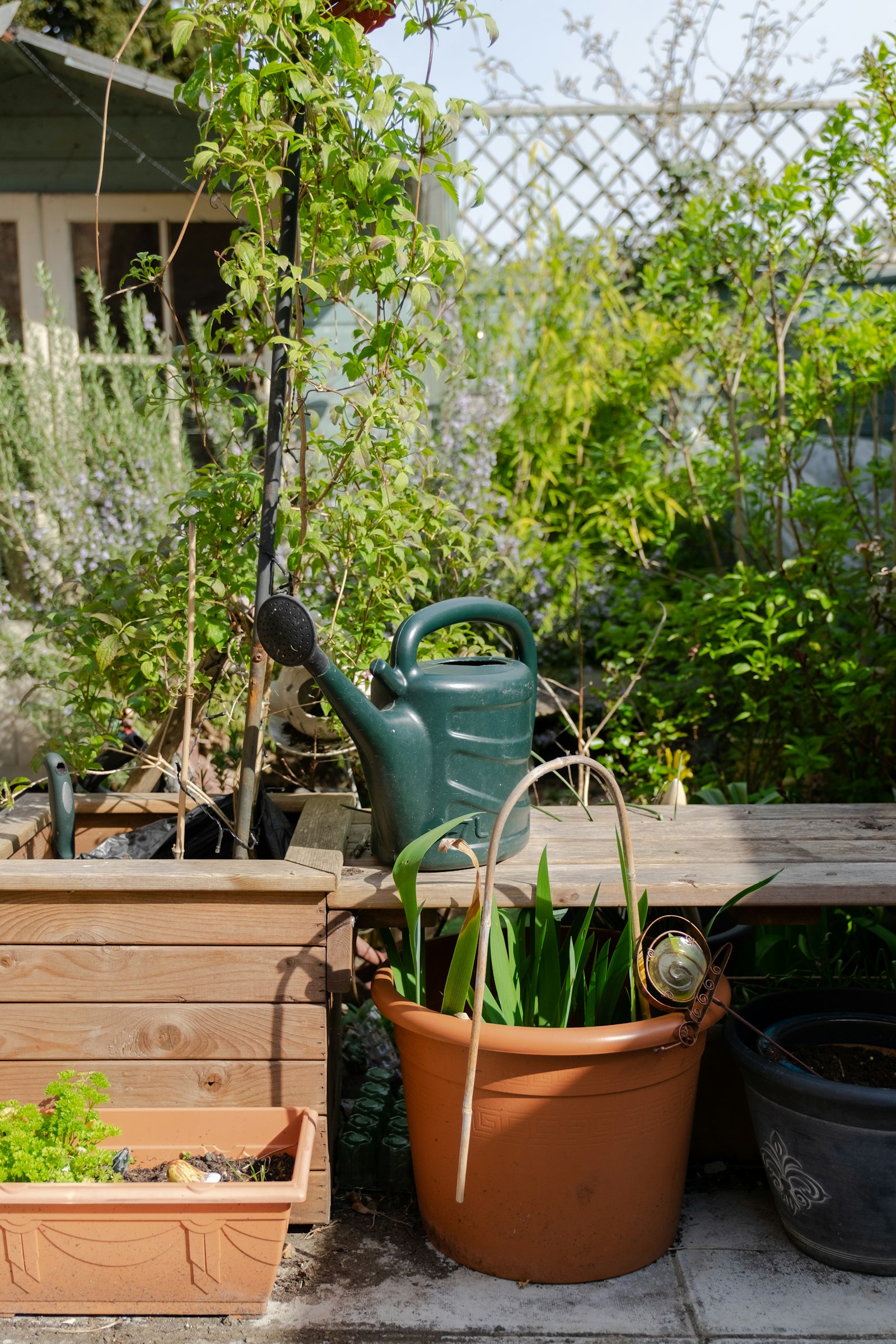
Begin with a small number of pots placed where they can be watered and inspected. Observe the patio’s sunlight before choosing plants. A covered patio beside a wall may have different conditions from an open area only a few feet away.
Consider how water will move through the pot and across the surface. Follow property rules for drainage, protect surfaces appropriately, and avoid creating a spill or slip problem for neighbors or anyone using the patio. Do not block drains with pots or storage.
Our beginner container garden guide explains how to work through sunlight, growing mix, containers, and watering. Use it to plan the planting side before buying a collection of pots that may be difficult to maintain.
Keep privacy ideas proportionate
Before adding a screen, decide what you want privacy from and when. A seating position angled away from a neighboring window may solve part of the problem without adding another object. A lower arrangement can also feel less crowded than surrounding the patio with tall panels.
Freestanding screens, umbrellas, and tall planters need appropriate stability and may be affected by wind. Follow the manufacturer’s instructions and property rules. Do not invent a ballast system, tie equipment to a railing, or assume a heavy-looking base makes an installation safe.
If a privacy solution requires structural attachment or a large load, pause that part of the design and obtain suitable permission and advice. A smaller furnishing plan is preferable to an improvised setup whose stability you cannot assess.
Decide whether a rug earns its floor space
An outdoor rug can change the feel of a patio, but it is optional. First confirm that the property allows it and that it is suitable for the surface below. Read both the rug’s care guidance and any restrictions for the decking or coating.
Check the rug while doors are operating and chairs are moving. Edges should not create a trip point or interfere with access. A rug that repeatedly shifts or curls is a problem to resolve, not an accessory to keep because its colors work with the cushions.
Plan to lift and inspect beneath it as appropriate for the materials and conditions. If the rug is difficult to dry, maintain, or store, leaving the patio surface visible may make the outdoor space easier to use.
Keep lighting simple and appropriate
See what the existing building light provides before adding another fixture. Check the route to the door after dark and consider whether your preferred seating position has enough useful light. Avoid placing a bright light where it shines directly into a neighbor’s window.
If you choose additional lighting, use a product intended for the outdoor conditions and follow its installation and power instructions. A no-drill label does not establish that a mounting method is suitable for your property. Do not run cords across the walkway or improvise attachments to doors and railings.
A movable light may be easier to manage than a string of fixtures, provided it is suitable for the intended use. Include charging or battery care, weather storage, and how you will bring it inside in your decision. Convenience matters more than the number of lights in a photograph.
Plan where loose items go
Cushions, blankets, small tables, and decorative objects all need a place when they are not in use. Check whether the proposed storage is permitted, weather appropriate, and practical to access. A storage box should not become a substitute for clearing out items you never use.
Follow weather guidance from the property manager and the manufacturers of outdoor equipment. Know which items you can bring inside and where they will fit. Avoid waiting until severe weather is imminent to discover that the folding chairs have no indoor destination.
Keep the number of loose decorative objects small. Choose pieces because they improve the way you use the space, rather than filling every available surface. Less to move often means the patio gets used more readily.
Use a weekend trial, then adjust
Try the basic arrangement through a few ordinary uses. Sit at the time you intended, open the door repeatedly, water the pots, and carry the furniture to its storage place if needed. Notice which steps are awkward. A simple shift in chair position may solve more than another purchase.
Review the budget after the trial. Spend on the specific thing that prevented comfortable use, whether that is a better-fitting seat or an appropriate small table. Keep the rest of the arrangement until there is a reason to change it.
A small patio for renters works well when its contents have a purpose and can be managed without altering the building. A comfortable place to sit, clear access, a few suitable plants, and an easy storage routine can make the space worthwhile without a complicated installation.
Planning note: These are furnishing and organizing ideas. Follow your lease, property guidance, product instructions, and applicable requirements. The photographs are licensed illustrations, not documentation of a rental installation tested by Little Garden Days.
Featured photograph: Sir. Simo / Unsplash, used under the Unsplash License.